
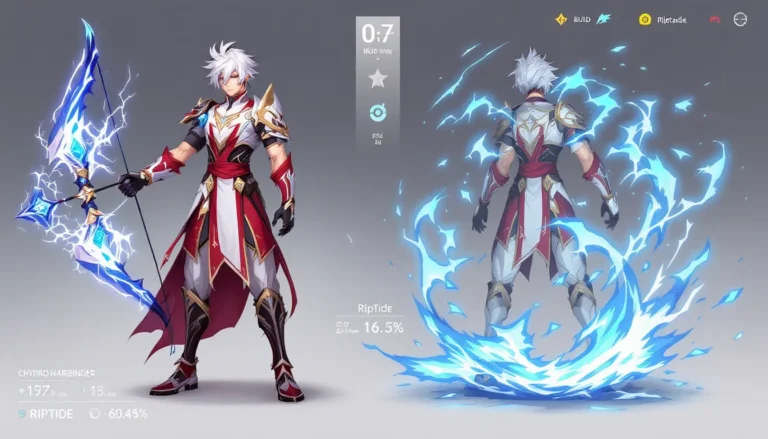

In the ever-evolving landscape of entertainment, gaming culture stands out as a vibrant tapestry weaving together technology, artistry, and community. With its roots extending deep into the past and its influences reaching into many facets of modern life, gaming has morphed into a sophisticated culture that encompasses a wide spectrum of experiences. This article delves into the intricacies of gaming culture, examining its evolution, the burgeoning role of social media, and how game design transcends mere play to tell compelling stories.
Understanding Gaming Culture
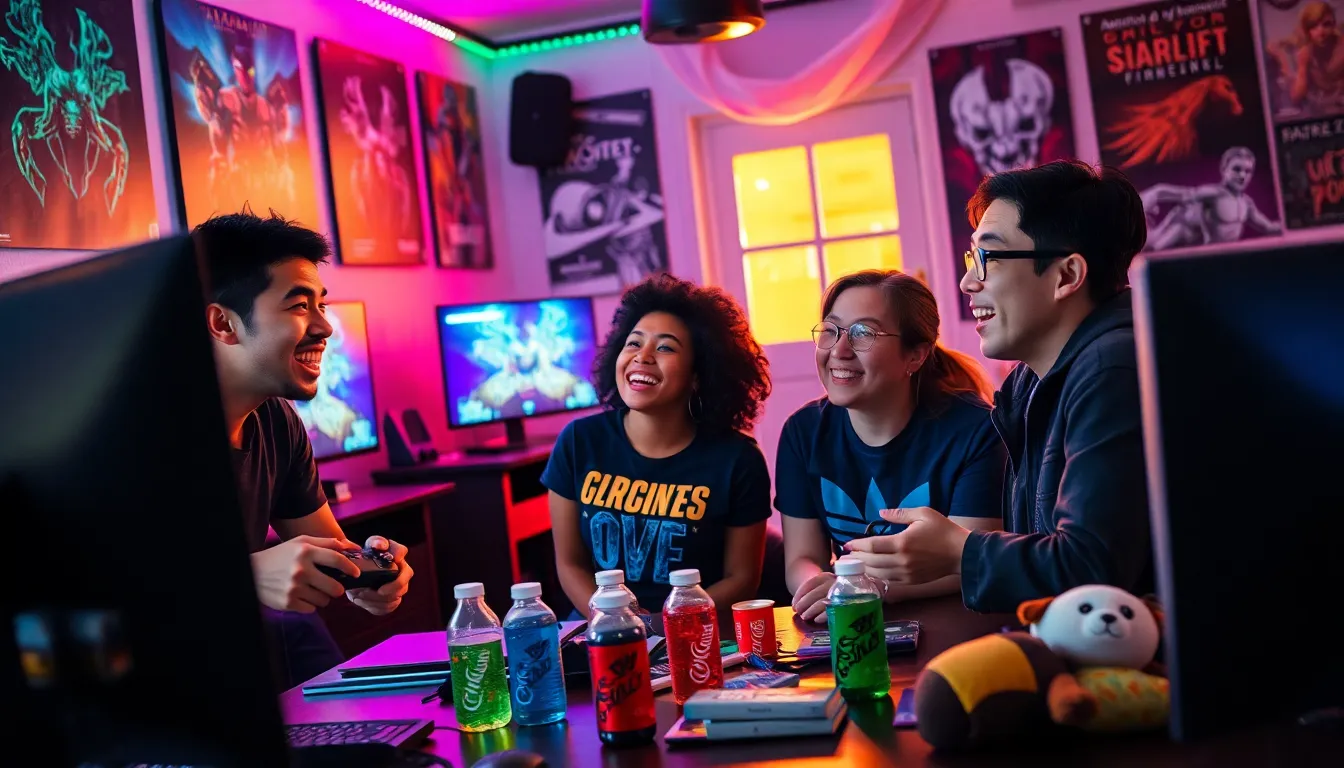
Gaming culture is a broad concept that encapsulates the behaviors, attitudes, and practices shared by individuals engaged in gaming activities. It has grown from solitary endeavors into a multi-faceted community where interaction plays a pivotal role. Players not only enjoy games but also create conversations around them, often leading to friendships and collaborations that extend beyond the screen.
Understanding gaming culture involves recognizing its diversity. Gamers come from all walks of life, each bringing unique perspectives. What connects them is not just the love for games but also the shared experiences and narratives that arise from gameplay. This culture fosters a sense of belonging and encourages people to express themselves through various gaming-related activities, from streaming to participating in forums and conventions.
The Evolution of Video Games
Video games have undergone a phenomenal transformation since their inception. From the pixelated graphics of the 1970s to the immersive virtual worlds of today, the evolution of technology has been a driving force in the gaming industry.
The Role of Community in Gaming
Communities formed around gaming have evolved dramatically alongside the technology. Early gaming communities were formed in arcades and through local multiplayer setups. But, with the advent of the internet, these communities expanded globally, allowing gamers to connect with like-minded individuals across continents. Collaborative play, competitive e-sports, and shared experiences have become pivotal to modern gaming culture.
Online vs Offline Gaming Communities
Offline gaming communities still hold significant value, especially in competitive gaming scenes such as local tournaments or gaming clubs, fostering direct interaction. In contrast, online communities offer a limitless arena for engagement, where players can collaborate or compete, share tips, and celebrate achievements regardless of geographical constraints. This duality enriches the gaming experience, blending personal interaction with digital connectivity.
Impact of Social Media on Gaming Culture
Today, social media serves as a crucial platform for the gaming community, allowing for instantaneous sharing and discussion of game-related content.
Game Reviews and Critiques
Platforms like YouTube and Twitch have revolutionized how games are reviewed. Gamers can now watch playthroughs, reviews, and critiques, helping them make informed purchasing decisions. Also, these channels often provide a sense of authenticity that traditional game marketing lacks. This access to diverse perspectives deepens players’ understanding of the games they love.
How Game Mechanics Influence Player Engagement
Social media also plays a role in how games are designed, especially about game mechanics that enhance engagement. Features like social sharing, achievements, and interactable content prompt players to engage not just with the game but also with the community. As players share their experiences online, they contribute to an ever-evolving dialogue that can influence game design.
The Intersection of Art and Gaming
Gaming as a medium has firmly established itself within the realm of art. Game developers don’t just create gameplay: they craft experiences.
Cultural Representations in Games
Games often serve as reflections of society, addressing contemporary issues through their narratives and aesthetics. Diverse characters and storylines promote inclusivity and representation, allowing players to see themselves in the games they play. This intersection of art and identity enriches the gaming landscape, fostering empathy and understanding through immersive storytelling.
Game Design as Storytelling
At its core, game design incorporates elements of storytelling, merging mechanics and narrative to create engaging experiences for players.
Emerging Trends in Gaming
As technology continues to evolve, so do the methods by which stories are told in games. Mechanisms like choice-based narratives and open-world exploration allow players to dictate their own journeys, making gameplay uniquely personal. These trends underline the narrative potential within game design, showcasing its significance parallel to traditional forms of storytelling.
The Future of Virtual Reality in Gaming
Virtual reality (VR) stands at the forefront of this narrative revolution. By immersing players in a 360-degree environment, VR can create unparalleled storytelling experiences. As this technology advances, the possibilities for narrative depth and engagement in gaming are boundless, heralding new interactive paradigms.
Conclusion
The exploration of gaming culture reveals a complex interplay between technology, community, and artistry. As gaming continues to evolve, it shapes not just the experiences of its players but also the broader cultural conversations around issues of identity, community, and expression. Understanding this culture paves the way for appreciating gaming beyond mere play: it is an intricate world of shared experiences and stories waiting to be told. The future promises even more innovation, ensuring that gaming culture remains a dynamic and influential part of our lives.