
Table of Contents
ToggleGenshin Impact fanart has exploded into one of gaming’s most vibrant creative ecosystems. Every day, thousands of artists worldwide post illustrations, paintings, sculptures, and digital creations featuring characters from Teyvat, the game’s gorgeous open world. Whether it’s a polished digital portrait of Hu Tao, a chibi sketch of Paimon, or a fan’s interpretation of an underrated support character, Genshin Impact fanart drives engagement, builds community, and keeps players connected to the game between patches. For many, it’s not just fan content, it’s a legitimate extension of how they experience the game itself. This guide covers everything: what makes Genshin Impact fanart matter, where to find the best work, how to create your own, and how to build an audience if you’re posting your art online.
Key Takeaways
- Genshin Impact fanart is a thriving creative ecosystem that sustains community engagement between content updates and transcends language and regional barriers.
- Popular mediums for Genshin Impact fanart include digital illustration, traditional media, 3D rendering, and mixed-media approaches, with artists using tools like Procreate, Clip Studio Paint, and Blender.
- Consistency, strategic timing, relevant hashtags, and authentic community engagement are essential for fanartists building an audience and visibility on platforms like Twitter, Pixiv, Instagram, and Discord.
- Character-focused work, shipping, alternative outfit concepts, and interpretations of underrepresented characters drive fanart creation and help different regional communities express their preferences.
- Supporting fanart creators through likes, comments, commissions, merchandise purchases, and proper credit respects artists’ work while keeping the community ecosystem healthy and sustainable.
What Is Genshin Impact Fanart and Why It Matters
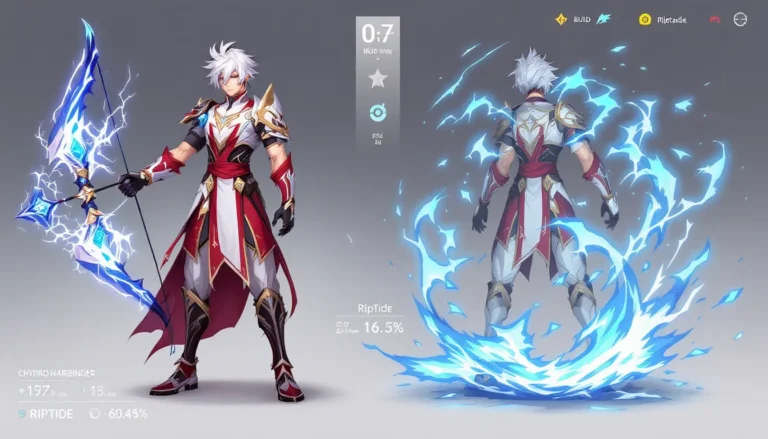
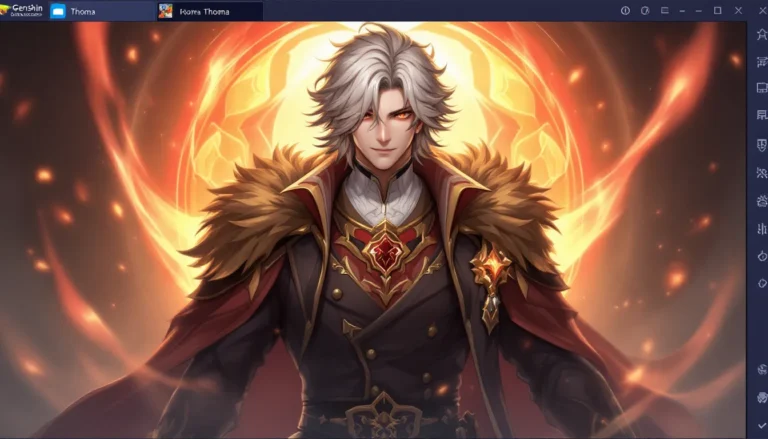
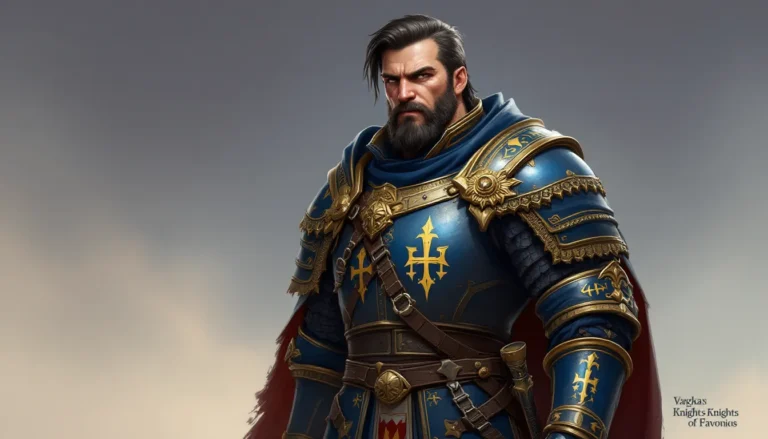
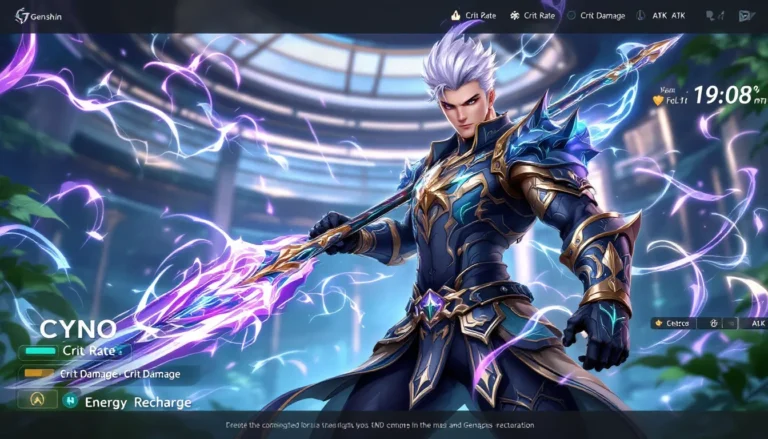
Genshin Impact fanart is fan-created visual content inspired by the game’s characters, locations, mechanics, and lore. It spans digital paintings, sketches, 3D renders, traditional media, comics, animations, and more. Unlike official artwork, which HoYoverse releases through promotional materials and in-game assets, fanart is created independently by players and artists who want to celebrate what they love about the game.
Why does it matter? Simple: fanart is the lifeblood of gaming communities. It keeps the game alive in players’ minds between content updates. When a new character launches, fanart floods social media within hours. During content droughts, fan creators sustain engagement. Fanart also democratizes representation, players create interpretations of characters that resonate with their own experiences, cultures, and preferences. A fan might reimagine a character’s personality, create alternative outfits, or explore storylines the game never will.
For many artists, Genshin Impact fanart is a portfolio builder. The game’s high-quality visual design and massive audience means posting fan work attracts attention from potential clients, collaborators, and followers. For players, consuming fanart deepens emotional investment in characters and the game world. There’s a reason character-focused fanbases explode after compelling story quests, fanart follows.
The Role of Fanart in Gaming Communities
Fanart isn’t just decoration, it’s a pillar of how gaming communities function. Genshin Impact’s playerbase spans regions, languages, and skill levels. Fanart transcends those barriers. A player in Brazil, a player in Japan, and a player in Poland can all appreciate a stunning illustration of Bennett or Fischl without a single word of dialogue.
Fanart creates dialogue within communities. Artists post work, players comment, discussions spark about character design, lore interpretation, and emotional resonance. These conversations build connection and belonging, core reasons people stay engaged with games long-term. Communities with active fanart ecosystems feel alive: they’re proof that people care enough to spend hours creating tributes to characters and worlds.
The relationship is symbiotic. The game provides the source material and inspiration. Fans create content that keeps the game relevant on social feeds, Discord servers, and art platforms. HoYoverse, the developer, benefits from organic marketing. Fanart reaches people who might not follow official channels. It’s authentic enthusiasm, which audiences trust more than ads. Many players discover or rediscover Genshin Impact through fanart rather than trailers or sponsorships.
Fanart also fills creative gaps. Players write backstories, imagine character interactions, and design alternative costumes. This collaborative worldbuilding enriches the game’s cultural footprint. When HoYoverse does release new content, fans have already imagined it a hundred ways, fanart becomes a mirror reflecting what the community values.
Exploring Different Fanart Styles and Mediums
Genshin Impact fanart thrives in variety. The game’s anime-inspired visual style attracts artists from all backgrounds, and they bring their own techniques and sensibilities to their work.
Digital Illustration and Painting
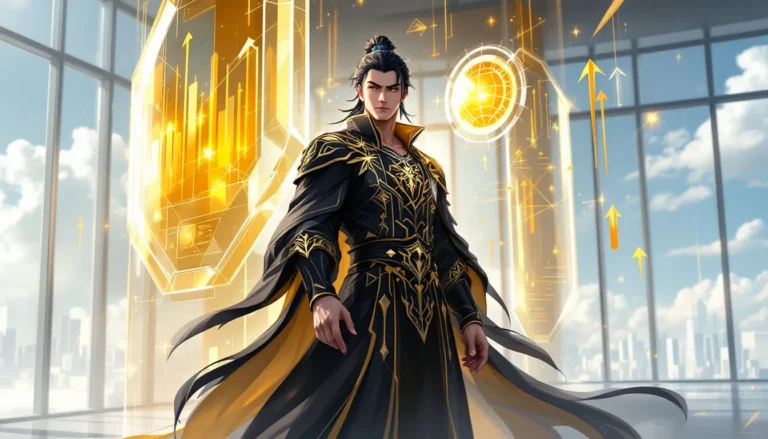
Digital art dominates Genshin Impact fanart. It’s accessible (tablets and software are affordable), fast to produce, and easy to share online. Most digital fanart uses Procreate, Clip Studio Paint, Photoshop, or free alternatives like Krita. Artists range from those using simple line art with flat colors to those creating hyperdetailed paintings with dynamic lighting and intricate backgrounds.
The beauty of digital work is flexibility. An artist can sketch a character concept in 15 minutes or spend 30 hours rendering a single portrait. The diversity is staggering, from soft, dreamy watercolor-style illustrations to sharp, high-contrast digital paintings. Many artists develop signature styles that become instantly recognizable to followers.
Traditional and Mixed Media Approaches
Plenty of fanartists work analog. Pencil sketches, ink drawings, watercolor paintings, and colored pencil work all find audiences. Traditional media often feels more tactile and personal, fans appreciate seeing the artist’s hand in every stroke. Some creators scan their traditional work and add digital coloring or effects. Others post photos of originals on social media, weathered edges and all.
Mixed media, combining traditional and digital techniques, is increasingly popular. An artist might paint with acrylics, scan it, then add digital effects and backgrounds. The hybrid approach offers the best of both worlds: traditional depth with digital flexibility.
3D Models and Sculptures
Beyond 2D art, 3D fanart is growing. Digital sculptors create models of characters using Blender, ZBrush, or Maya, then render them with professional lighting and environments. These models sometimes become commissioned work or portfolio pieces. Some artists 3D-print their creations, resulting in physical Genshin Impact figurines. Physical sculptures, carved from clay, stone, or resin, are rarer but deeply impressive. They show up at conventions and in collector communities.
Character Interpretations and Popular Fanart Subjects
Certain characters dominate the fanart landscape, though different communities and artists focus on different subjects. Understanding what resonates helps new creators find their niche.
Popular character focuses include elements that drive fanart: emotional depth, compelling design, or underrepresentation in official content. Characters like Hu Tao, Fischl, Nahida, and Ayaka consistently appear in high volumes. But fanart also celebrates supporting cast members, NPCs, and characters with smaller active fanbases. An artist passionate about Heizou or Gorou will find audiences who love those characters too.
Beyond individual characters, themes drive fanart creation. Shipping (romantic pairing fanart) is huge, artists create content around character relationships that players speculate about or support. Crossover fanart imagines Genshin characters in other game universes or vice versa. Alternative outfit concepts reimagine characters in modern clothing, fantasy settings, or historical periods. Hurt-and-comfort art explores emotional scenarios. Fanart also celebrates the Genshin Impact fan community itself through meta pieces about the game’s mechanics, updates, or running jokes.
Regional preference matters too. Different regions have different character favorites. CN, JP, and Western communities sometimes emphasize different aesthetics and narratives. An artist creating content resonates differently depending on where they share it. Understanding your audience helps refine what you create and where you post it.
Recent character releases always spike fanart production. When a highly anticipated character like a new 5-star launches, fanart floods platforms within days. Seasonal events, story quests, and appearance in major events also trigger fanart surges. Artists ride these waves to gain visibility.
Where to Find and Discover Genshin Impact Fanart
Finding quality fanart requires knowing where the community congregates. The best platforms are those where artists actively post and engage.
Social Media Platforms and Communities
Twitter/X remains the dominant platform for Genshin Impact fanart. Artists post work constantly, use hashtags like #GenshinImpact and #GenshinFanart to increase visibility, and engage with followers. The platform’s image-friendly feed and retweet mechanic make viral fanart possible. Followers can see their favorite artists’ daily outputs.
Instagram is strong for polished portfolio-style posts. Artists use carousel posts to show work evolution, behind-the-scenes process, and multiple pieces. Instagram’s algorithm isn’t hashtag-friendly like Twitter’s, but a dedicated following still discovers new work through feed scrolling.
TikTok hosts timelapse videos of artists drawing Genshin characters. Speed paintings and creative process videos get millions of views. If you’re looking for fast-paced, entertaining content, TikTok’s Genshin community delivers.
Reddit has subreddits dedicated to Genshin Impact fanart. Communities like r/Genshin_Impact_NSFW also exist for mature content. Reddit allows in-depth discussion in comments, though it’s less visual-forward than image platforms.
Dedicated Art Communities and Forums
Pixiv is essential for serious artists and collectors. It’s a Japanese art platform where professional and amateur creators post high-quality work. Pixiv’s tagging system makes discovering specific character fanart or art styles incredibly easy. Many Western players check Pixiv daily for new Genshin content. The platform’s infrastructure supports commissions, so many artists use it as a portfolio and storefront combined.
DeviantArt hosts extensive Genshin fanart galleries, though it’s less trendy than newer platforms. Older communities and some traditional artists maintain presence there.
Discord servers focused on Genshin Impact fanart exist by the hundreds. Artists share work in dedicated channels, receive feedback, and build tight-knit communities. Many communities have roles for different interests, commissioning, trading, or showcasing specific character fanbases.
ArtStation is where professional 3D artists and digital illustrators showcase portfolio work. If you’re seeking high-end Genshin fanart or concept-art-quality pieces, ArtStation is the destination.
Tips for Creating Your Own Genshin Impact Fanart
Whether you’re a seasoned artist or picking up a stylus for the first time, creating Genshin Impact fanart is achievable. The game’s vibrant visual style provides endless inspiration.
Finding Your Artistic Style and Inspiration
First: study the game itself. Play through story quests, examine character designs in menus, watch trailers multiple times. Notice color palettes, lighting choices, and how HoYoverse renders fabrics, skin, and hair. This deep familiarity informs your interpretations.
Look at fanart you admire. What draws you to specific pieces? Is it the artist’s line weight? Their color choices? How they handle composition or expressions? Collect reference images, not to copy, but to understand what resonates with you. Over time, your style emerges naturally from the work you consume and create.
Start with subjects you’re genuinely invested in. Fanart driven by authentic passion shows. If you care about a character’s story, that emotion translates to your artwork. Your unique perspective is your biggest asset. An artist passionate about Fischl’s character development will create fanart fundamentally different from someone just drawing her because she’s popular.
Experimentation is essential. Try different mediums, color palettes, poses, and compositions. Some artists find their voice through digital painting: others through ink and pencil. There’s no “right” approach, only what works for you.
Tools and Software Recommendations
For digital art, consider your budget and platform. Procreate ($12.99 one-time) is iPad-exclusive and beloved by professionals. Clip Studio Paint offers great value for illustration and comic creation. Photoshop is industry-standard but subscription-based. Krita is free and feature-rich, excellent for beginners. Fire Alpaca and ibis Paint X are mobile-friendly options.
Your hardware matters less than you’d think. A basic tablet like Wacom One works fine starting out. As you improve, upgrading makes sense, but many successful fanartists use budget tablets.
For traditional work, quality pencils, good paper, and inking supplies make a difference. Decent watercolor sets and colored pencils are accessible at any art supply store.
Where you post also influences workflow. If targeting Twitter/X, exporting at 1080×1080 or 1200×675 optimizes for feeds. For Pixiv or ArtStation, higher resolutions preserve detail when viewers zoom in.
Don’t get caught up in tools at the expense of practice. Many artists create incredible fanart with old software or simple supplies. The tool is secondary to fundamentals: understanding anatomy, perspective, color theory, and storytelling.
Building an Engaged Audience for Your Fanart
Creating great fanart is half the battle. Getting people to see it requires strategy and consistency.
Best Practices for Sharing and Promoting Your Work
Consistency matters more than volume. Posting regularly, whether that’s daily, three times a week, or weekly, trains your followers to expect new content. Algorithms favor consistent creators. Pick a schedule you can sustain.
Timing affects reach. On Twitter/X, posting during peak hours (evenings in major time zones) increases immediate engagement. Different platforms have different optimal times, research what works for your target audience.
Hashtags are crucial on Twitter, Instagram, and TikTok. Use relevant tags: #GenshinImpact, #GenshinFanart, #[CharacterName]. But don’t spam, 10-15 relevant hashtags are ideal. Include character-specific tags: fans following those tags will find your work.
Captions matter. A brief, personality-filled caption encourages engagement. Ask questions, share your process, or joke about the character you drew. Captions are where your voice shines, they make followers feel like they know you, not just see your art.
Engage with the community actively. Like, retweet, and comment on other fanartists’ work. When people see you supporting the community, they’re more likely to support you back. It’s not transactional, genuine engagement builds relationships.
Collaborations amplify reach. Partner with other artists for art trades, create shared series, or participate in community challenges. When two fanbases collide, both artists gain exposure.
Engaging With the Fanart Community
Respond to comments and questions. When someone takes time to comment on your work, reply. Thank them, answer their questions, ask about their experience. These interactions build loyal followers who feel valued.
Participate in community events. Monthly challenges, seasonal events, and artist collaborations give your work context and visibility. Events like Genshin Impact anniversaries spawn massive fanart pushes, participating gets your work seen by more eyes.
Share your process. Behind-the-scenes content performs well. Time-lapse videos, work-in-progress posts, and breakdown explainers show your audience you’re human and approachable. Process content also educates aspiring artists who follow you.
Acknowledge feedback without getting defensive. Not every comment will be positive. Constructive criticism helps you improve. Toxic comments? Ignore or block. The key is growing thicker skin while remaining open to genuine feedback.
Consider commissions once you’ve built an audience. Many successful fanartists monetize through commissions while continuing to post free fanart. It’s sustainable income and deepens fan relationships, people commissioning you are already invested in your work.
Supporting and Appreciating Fanart Creators
If you’re a consumer of fanart rather than a creator, there are meaningful ways to support the artists pouring hours into their work.
Engagement is free support. Likes, comments, shares, and retweets cost you nothing but massively benefit artists. Algorithms favor engaged content. An artist’s post with 100 likes and 20 comments reaches far more people than one with 100 silent likes. Comments show you genuinely appreciated the work: they’re the most valuable metric for creators.
Commission artists. If you have money to spend and love an artist’s work, commissioning them is the most direct support. Rates vary widely, a simple colored sketch might cost $20-50: a detailed painting, $200+. Budget commissions or small requests help emerging artists earn money while doing what they love.
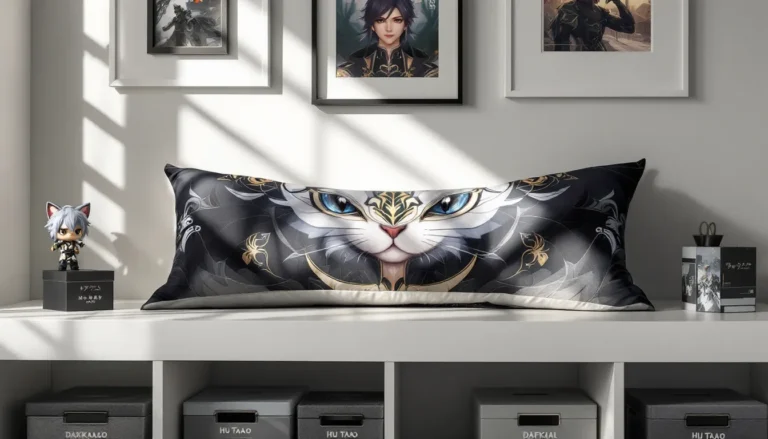
Buy merchandise or prints. Many fanartists sell prints of their work, design merchandise (shirts, stickers, mugs), or have Patreon/Ko-fi accounts. Buying from them directly funds future creation.
Share their work. Retweet, reblog, screenshot and share with proper credit, whatever platform you use. Spread their work to new audiences. Include their handle so followers can find them directly.
Respect boundaries. Fanartists are often asked for free work, art trades, or exposure in exchange for publicity. Respect their time and boundaries. Unsolicited art requests, especially from brands or for commercial use, should include compensation.
Credit properly. If using fanart as a reference, meme, or in any context, credit the original artist with their handle and a link. Fanart gains value when the community knows who created it.
The fanart community thrives on mutual respect. Artists create for passion but also deserve recognition and compensation. As a community member, supporting creators, even passively through engagement, keeps the ecosystem healthy. Recent platforms like Siliconera cover gaming culture deeply, including fanart communities, showing how seriously the broader gaming media takes fan-created content. Artists creating Genshin Impact-inspired fan works deserve that same respect.
Conclusion
Genshin Impact fanart is thriving in 2026 as it has since the game’s launch. It represents passion, creativity, and community, the invisible glue binding players together between content updates and across continents. Whether you’re consuming fanart, creating it, or both, you’re part of something meaningful.
For players discovering fanart for the first time: explore platforms like Pixiv, Twitter, and Discord. Follow artists whose styles resonate with you. Engage with work that moves you. The community rewards genuine interest.
For aspiring fanartists: start now. Your early work won’t be your best, that’s true for everyone. Study, create consistently, and engage authentically with your community. Your unique voice will emerge. Tools matter less than fundamentals and passion. Many of today’s professional artists and character designers started exactly where you are.
The beauty of Genshin Impact’s fanart ecosystem is its inclusivity. Beginners and professionals coexist. Niche character fanbases thrive alongside mainstream ones. Different styles and mediums all find audiences. There’s room for your voice, whatever it sounds like.
Keep creating, keep sharing, keep supporting. That’s what keeps this community alive.